
UNESCO World Heritage Sites in Iran | Complete List & Travel Guide
UNESCO World Heritage Sites in Iran
UNESCO World Heritage Sites are places recognized for their Outstanding Universal Value to humanity. These sites may include historic cities, archaeological sites, architectural masterpieces, cultural landscapes, natural wonders, and exceptional examples of the relationship between people and their environment. Once inscribed on the UNESCO World Heritage List, they are considered part of the shared heritage of humankind and receive international recognition and protection.
As one of the world’s oldest civilizations, Iran holds a distinguished position on the UNESCO World Heritage List. At the time of writing, Iran has 29 UNESCO World Heritage Sites, including 27 Cultural Heritage Sites and 2 Natural Heritage Sites. This places Iran among the world’s most important destinations for history, culture, archaeology, and heritage tourism, reflecting the country’s extraordinary contribution to human civilization over thousands of years.
Countries currently having more UNESCO World Heritage Sites than Iran include Italy (60 sites), China (59 sites), Germany (55 sites), France (54 sites), Spain (50 sites), India (44 sites), Mexico (36 sites), the United Kingdom (35 sites), and Russia (33 sites). Nevertheless, Iran remains one of the most significant countries in the world for cultural heritage, ancient history, architecture, and archaeology, and continues to prepare new nominations for future inscription.
An important aspect of Iran’s UNESCO heritage is that not all inscriptions represent a single monument or location. Several are registered as Serial Properties, meaning that one UNESCO World Heritage Site consists of multiple locations across the country. For example, The Persian Garden includes nine historic gardens, The Persian Qanat includes eleven historic qanats, and The Persian Caravanserai includes fifty-four caravanserais located throughout Iran, all grouped under a single UNESCO inscription.
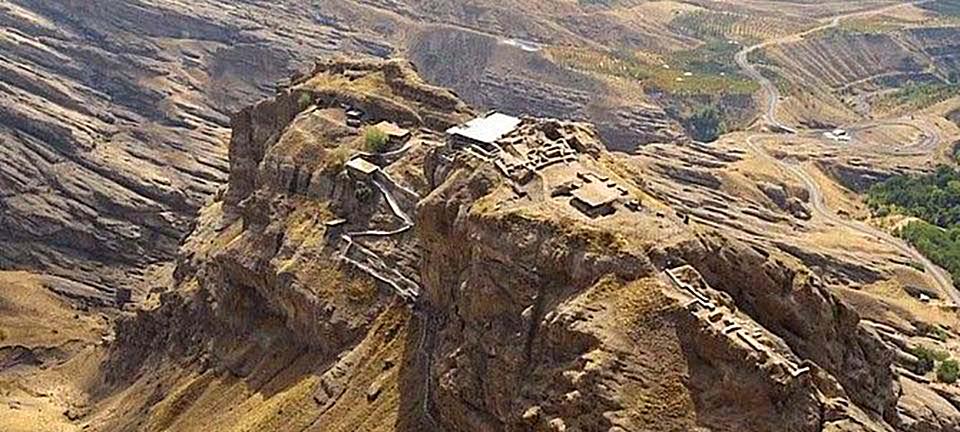
The UNESCO World Heritage List continues to evolve, and Iran is actively preparing additional nominations. One of the most prominent candidates is the Alamut Castle and Cultural Landscape, a site of exceptional historical, architectural, cultural, and natural significance. In addition to Alamut, several other cultural and natural properties remain on Iran’s Tentative List and may be added to the World Heritage List in the future.
Why UNESCO World Heritage Sites Matter When Traveling in Iran
Many of Iran’s most famous tourist attractions are UNESCO World Heritage Sites. These places are far more than historical monuments; they represent thousands of years of human achievement in architecture, engineering, urban planning, art, religion, trade, and cultural exchange.
For many international travelers, visiting UNESCO World Heritage Sites is one of the main reasons for traveling to Iran. From the magnificent square of Isfahan and the ruins of Persepolis to the Historic City of Yazd, the Persian Gardens, Susa, Tchogha Zanbil, the Lut Desert, and the ancient Hyrcanian Forests, each site reveals a different chapter of Iran’s remarkable story.
If you would like to learn more about the history, significance, location, and UNESCO inscription of each site, we recommend reading our Complete Guide to UNESCO World Heritage Sites in Iran, where every property is explored in detail.
UNESCO Heritage Tours in Iran
Iran’s UNESCO World Heritage Sites are spread across a vast and geographically diverse country. Some are located in historic cities, others in remote deserts, mountain regions, forests, or archaeological landscapes. As a result, visiting all of them during a single journey is virtually impossible.
For this reason, JeyTravel and its network of professional guides offer a variety of specialized travel programs focused on UNESCO World Heritage Sites in Iran. These itineraries range from short regional tours to comprehensive cultural journeys and allow travelers to experience some of Iran’s most important heritage sites according to their interests, available time, and travel style.
Whether your focus is Ancient Persia, Islamic architecture, archaeological discoveries, desert landscapes, or cultural heritage, there are numerous opportunities to explore Iran’s UNESCO treasures through carefully designed travel experiences.
Complete List of UNESCO World Heritage Sites in Iran
For detailed descriptions, locations, historical background, inscription dates, and travel information, please visit our Complete Guide to UNESCO World Heritage Sites in Iran.
- Meidan Emam, Esfahan
- Persepolis
- Tchogha Zanbil
- Takht-e Soleyman
- Bam and its Cultural Landscape
- Pasargadae
- Soltaniyeh
- Bisotun
- Armenian Monastic Ensembles of Iran
- Shushtar Historical Hydraulic System
- Tabriz Historic Bazaar Complex
- Sheikh Safi al-din Khanegah and Shrine Ensemble in Ardabil
- The Persian Garden
- Jameh Mosque of Isfahan
- Gonbad-e Qabus
- Golestan Palace
- Shahr-i Sokhta
- Susa
- Cultural Landscape of Maymand
- The Persian Qanat
- Lut Desert
- Historic City of Yazd
- Sassanid Archaeological Landscape of Fars Region
- Hyrcanian Forests
- Trans-Iranian Railway
- Cultural Landscape of Hawraman/Uramanat
- The Persian Caravanserai
- Hegmataneh
- Prehistoric Sites of the Khorramabad Valley
Important Future UNESCO Candidates in Iran
The UNESCO World Heritage List continues to expand, and Iran remains actively involved in preparing new nomination dossiers.
Among the most significant candidates is the Alamut Castle and Cultural Landscape, one of the most famous historical landscapes in Iran. Alamut is internationally known for its association with Hassan-i Sabbah, the leader of the Nizari Ismailis, who established a powerful mountain stronghold in the Alborz Mountains during the 11th and 12th centuries.
In many Western historical sources, Alamut is linked to the stories of the Assassins, making it one of the best-known medieval sites in the Middle East. Today, the region attracts historians, archaeologists, researchers, and travelers interested in medieval history, Islamic heritage, and mountain landscapes.
The proposed UNESCO nomination extends beyond the fortress itself and includes the wider Cultural Landscape of Alamut, encompassing historic villages, ancient routes, agricultural terraces, traditional water-management systems, defensive structures, and spectacular mountain scenery.
If successfully inscribed, Alamut could become one of the most important additions to Iran’s UNESCO World Heritage portfolio and further strengthen the country’s position as one of the world’s leading cultural heritage destinations.
For detailed information about Iran’s existing UNESCO properties, be sure to read our Complete Guide to UNESCO World Heritage Sites in Iran.