Gaz: Isfahan’s Traditional Persian Nougat and a Famous Iranian Souvenir
Discover the Story Behind Isfahan’s Famous Persian Sweet and Cultural Souvenir
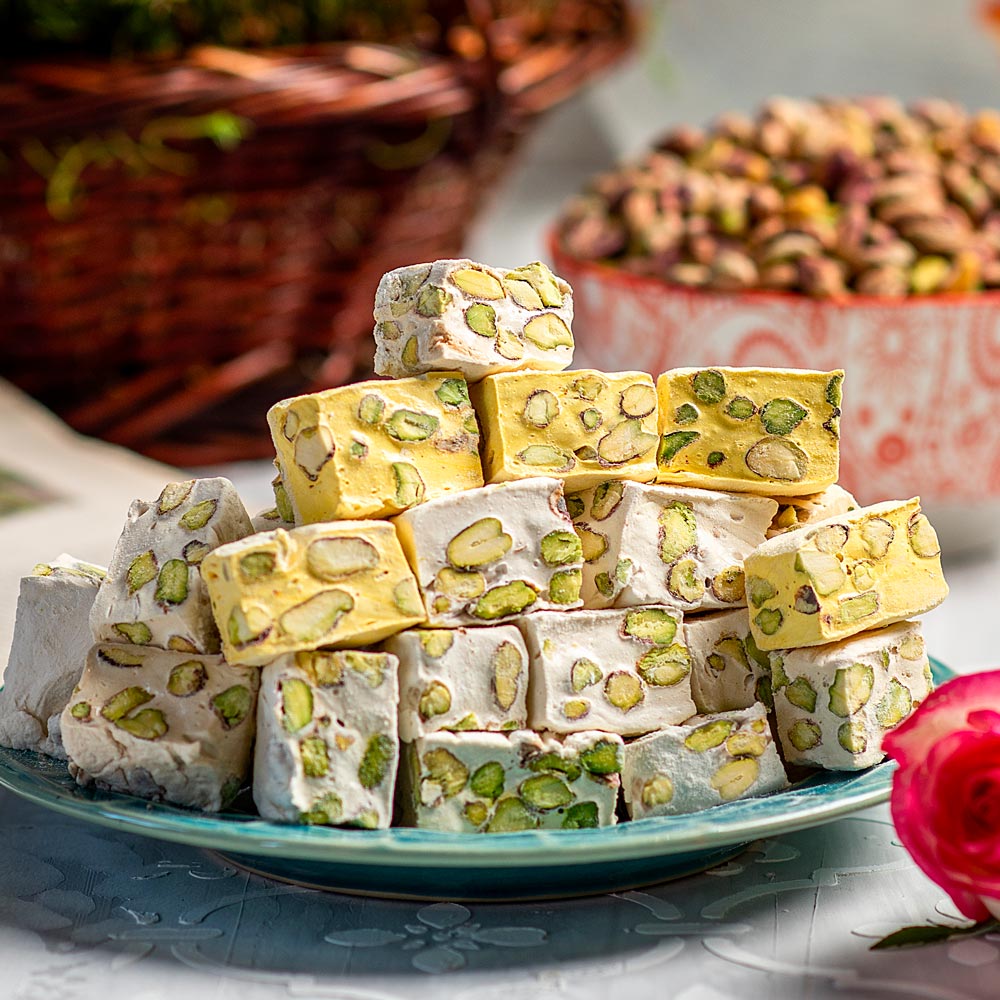
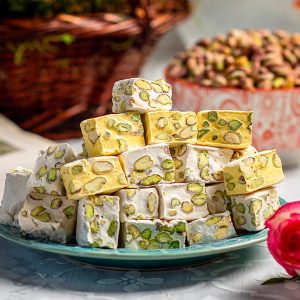
Gaz is one of Iran’s most famous traditional sweets and one of the cultural symbols of Isfahan. This unique Persian confection has a soft texture, delicate sweetness, and pleasant aroma, and it has held a special place in Iranian food culture for centuries. For international travellers, Gaz can be compared to chocolate in many countries around the world in terms of its cultural position. It is a popular sweet that people buy for hospitality, celebrations, gifts, and souvenirs. Unlike chocolate, which is mainly based on cocoa, Gaz is a traditional Iranian sweet made from egg whites, sweeteners, rosewater, nuts, and in more authentic versions, Gaz Angabin. Gaz is usually produced in small rectangular or bite-sized pieces. Its colour is generally white or light cream, and its texture is soft, delicate, and slightly chewy. When tasting Gaz, visitors experience a combination of gentle sweetness, the aroma of rosewater, and the rich flavour of nuts such as pistachios or almonds. Different types of Gaz are produced in various shapes and sizes, with some prepared as small serving pieces and others beautifully packaged as gifts. For travellers visiting Iran, buying and tasting Gaz in Isfahan is more than trying a sweet; it is an introduction to a part of Iranian culture, craftsmanship, and hospitality.
The History of Gaz and Its Connection with Isfahan
Gaz has a deep connection with the history and culture of Isfahan. Many sources associate the development of this traditional sweet with the Safavid period, when Isfahan was the capital of Persia and became one of the most important cultural centres in the world. During the Safavid era, arts, architecture, handicrafts, trade, and culinary traditions flourished in Isfahan. The growth of royal courts, commercial routes, and skilled craftsmen contributed to the development of many traditional products, including Gaz. Over time, Gaz became one of the most recognisable products of Isfahan and gained a special place among Iranian sweets. Historical accounts suggest that Isfahan’s confectioners developed Gaz as a refined sweet suitable for hospitality and special occasions. Today, Gaz remains one of the most important symbols of Isfahan’s culinary heritage and one of the most popular souvenirs of Iran.
What Is Gaz Angabin?
One of the most important and traditional ingredients of authentic Gaz is Gaz Angabin. Gaz Angabin is a natural sweet substance collected from wild tamarisk shrubs, sometimes referred to as Gaz trees, found in some dry and semi-arid regions of Iran. This natural ingredient gives traditional Gaz its distinctive flavour, aroma, and quality. Today, many commercial Gaz products use sugar or other sweeteners instead of natural Gaz Angabin. However, high-quality and traditional Gaz makers still try to preserve the use of this authentic ingredient. The amount and quality of Gaz Angabin are among the factors that influence the taste, authenticity, and value of Gaz, making it an important element in distinguishing traditional Gaz from modern commercial versions.
How Is Gaz Made?
Traditional Gaz production is a delicate and time-consuming process that requires the experience of skilled confectioners. The main ingredients include egg whites, sugar or honey, rosewater, Gaz Angabin, and pistachios or almonds. First, egg whites are carefully whipped until they become light and airy. The sweet ingredients and aromatic flavours are then gradually added while the mixture is continuously stirred and cooked. Finally, pistachios or almonds are added, and the Gaz is shaped into different forms. The quality of Gaz depends on several factors, including the amount of nuts, the quality of ingredients, the use of natural Gaz Angabin, and the skill of the confectioner. This traditional process reflects the craftsmanship behind one of Iran’s most valued sweets.
Different Types of Gaz in Isfahan
Gaz is produced in several varieties, each offering a different taste and texture. Pistachio Gaz is one of the most popular types and is often considered the classic version, prepared with a generous amount of pistachios and enjoyed by both locals and visitors. Almond Gaz is another traditional variety that offers a different but equally authentic flavour. Bite-sized Gaz, known as Loghmei, is cut into small pieces, making it ideal for serving, sharing, and buying as a souvenir. Another traditional form is Flour-Covered Gaz, known as Ardi, which is covered with flour to reduce stickiness and make storage easier. These different varieties allow travellers to explore the diversity of Gaz and discover the subtle differences between traditional recipes.
Gaz as a Famous Souvenir of Isfahan
For many travellers, buying Gaz is an essential part of visiting Isfahan. Its beautiful packaging, suitable shelf life, and strong connection with the city’s culture have made Gaz one of the most popular Iranian souvenirs. Many visitors purchase Gaz as a gift for family and friends, carrying a sweet memory of their journey back home. Alongside Persian carpets, miniature art, enamel work, and other traditional handicrafts, Gaz represents an important part of Isfahan’s cultural identity. It is not only a food product but also a symbol of Iranian hospitality and the artistic traditions of the city.
Experiencing Gaz in Isfahan
Tasting Gaz in Isfahan is not only about trying a sweet; it is an opportunity to discover a part of Iranian culinary culture. Visitors can explore traditional Gaz shops, taste different varieties, learn about the production process, and understand the differences between handmade traditional Gaz and industrial products. Enjoying Gaz with Persian tea or other traditional beverages, especially after exploring Isfahan’s historical attractions, creates a memorable cultural experience. For many international travellers, this simple experience becomes a meaningful connection with local traditions and everyday life in Iran.
Gaz and Culinary Tourism in Iran with JeyTravel
Today, culinary tourism is an important part of travel experiences around the world. Many travellers want to discover destinations not only through historical sites and landscapes but also through local flavours, traditions, and food culture. Gaz is an excellent example of Iran’s culinary heritage; a sweet that tells a story of nature, craftsmanship, traditional knowledge, and Persian hospitality. Through JeyTravel’s culinary tours, Iranian cooking classes, and food experiences, travellers can discover authentic Iranian flavours with local experts, visit traditional Gaz workshops and shops, learn about Iranian ingredients and confectionery methods, taste authentic Persian sweets, and discover the connection between food, culture, and history. During cultural journeys with JeyTravel, travellers can experience Isfahan beyond its famous monuments by discovering its traditional foods, sweets, and local lifestyles. For those who want to understand Iran through its flavours, Gaz is one of the sweetest ways to connect with Persian culture.
Related Iranian Food Experiences
To explore more about Iranian culinary heritage and traditional foods, we recommend reading our related articles: Isfahan Beryan: The Most Famous Traditional Food of Isfahan, Iran, Khoresh-e Mast: Isfahan’s Traditional Persian Dessert and Culinary Heritage, Dizi (Abgoosht): The Traditional Persian Dish and a Unique Iranian Food Experience, and Doogh and Gooshfil in Isfahan: A Unique Traditional Food Experience.
Categories
Culture & Local Life | Food & Culinary Experiences | History & Heritage | Travel Planning | Travel with Experts