Kookoo Qandi: Isfahan’s Hidden Sweet Dish and a Unique Persian Culinary Experience
Discover the Lesser-Known Sweet Tradition of Isfahan’s Culinary Heritage
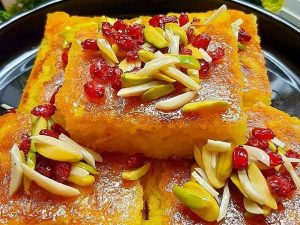
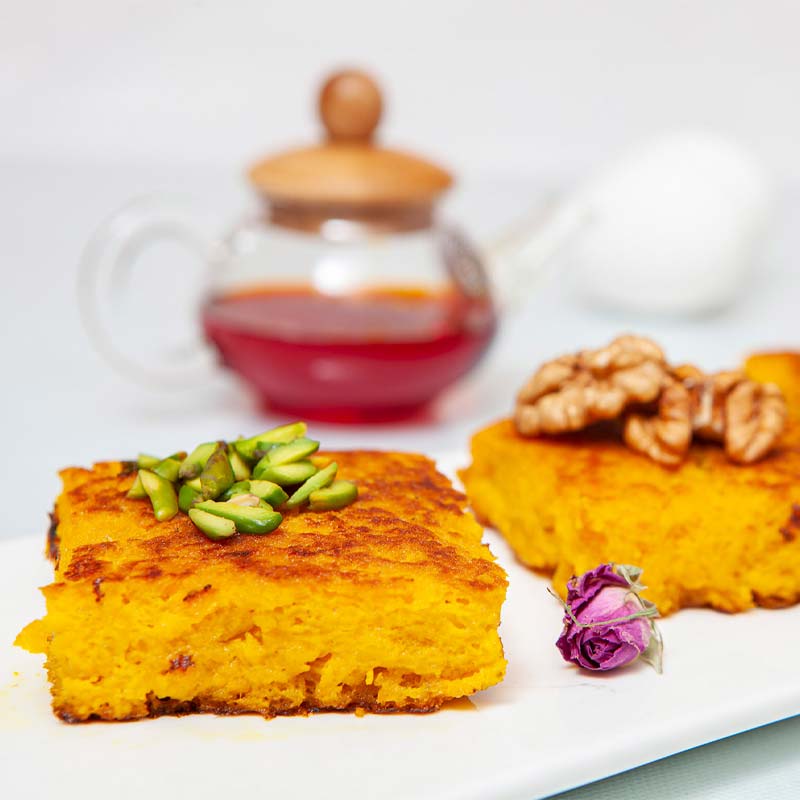
Kookoo Qandi is one of the lesser-known but fascinating traditional foods of Isfahan, representing a unique part of the city’s culinary heritage. Unlike many Iranian dishes that are served as main courses, Kookoo Qandi has a different role in Persian food culture. It can be enjoyed both as a traditional appetizer and as a sweet dessert, making it a unique example of the creativity and diversity of Iranian cuisine. The word “Kookoo” refers to a group of traditional Iranian dishes usually prepared with eggs and different ingredients. However, unlike more familiar varieties such as Kookoo Sabzi (herb kookoo) or Kookoo Sibzamini (potato kookoo), Kookoo Qandi has a sweet flavour profile. It is usually prepared with ingredients such as eggs, flour, sweeteners, saffron, rosewater, and aromatic spices. Its delicate sweetness and Persian aromas make it a memorable experience for travellers interested in discovering authentic Iranian flavours.
A Sweet and Unique Persian Culinary Tradition
For international travellers, the first question about Kookoo Qandi is often simple: is it a dessert or a food? The answer is that it can be both. Kookoo Qandi represents an interesting aspect of Persian cuisine, where the traditional boundaries between savoury dishes, appetizers, and desserts are sometimes flexible. Its texture can be described as something between a soft traditional cake, a homemade sweet, and a Persian-style egg-based dish. This unusual combination makes Kookoo Qandi different from many other Iranian foods and offers visitors an opportunity to discover a less-known side of Persian culinary culture, where creativity and tradition come together in unexpected ways.
How Is Kookoo Qandi Served?
One of the interesting characteristics of Kookoo Qandi is that it can be served in different ways. It can be enjoyed warm shortly after preparation, when it has a soft texture and fresh aroma, or cold after resting, when the flavours become more balanced and blended. This flexibility makes Kookoo Qandi suitable for different occasions, including traditional gatherings, family celebrations, and local food experiences. For travellers, the experience of tasting the same dish in different temperatures provides a unique opportunity to appreciate the diversity of Iranian food traditions and understand how local dishes are connected with everyday life and social customs.
Kookoo Qandi and Isfahan’s Culinary Heritage
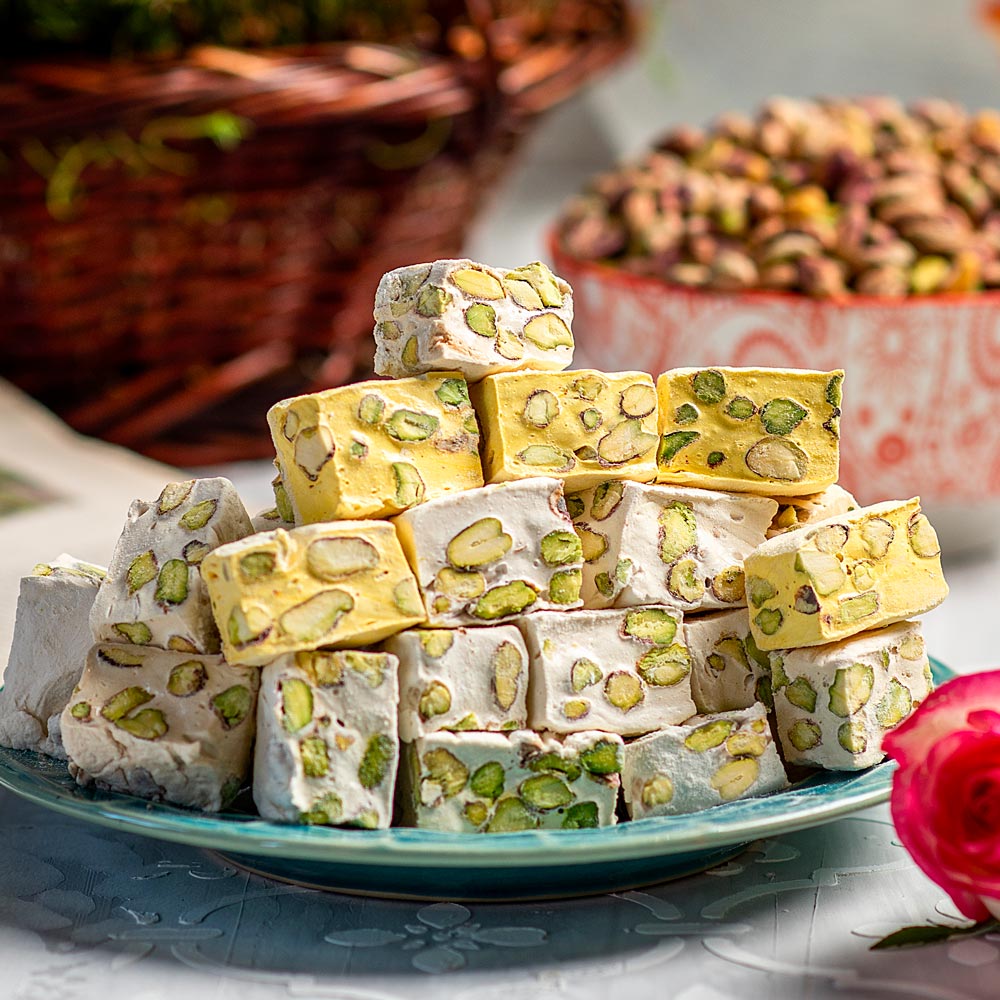
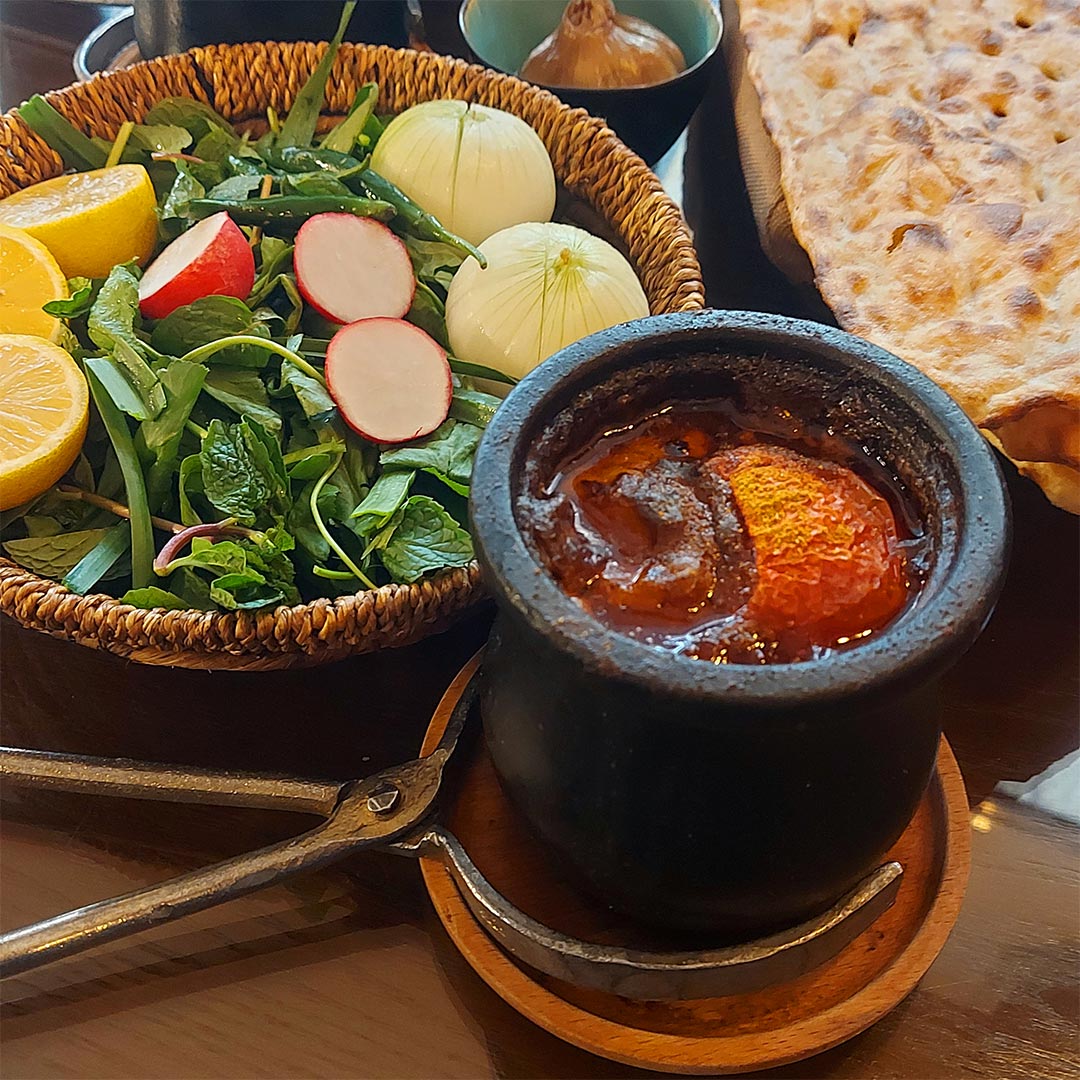
When people think about Isfahan’s food culture, they often remember famous specialties such as Isfahan Beryan, Khoresh-e Mast, Gaz, and Doogh and Gooshfil. However, the culinary identity of Isfahan is not limited to its internationally known dishes. Many traditional recipes have remained within local families and communities, representing a quieter but equally valuable part of Iranian food heritage. Kookoo Qandi is one of these hidden culinary treasures; a dish that shows how Iranian cuisine includes not only famous recipes but also many regional and family traditions passed from one generation to another. To discover more about Isfahan’s famous culinary experiences, you can also read our articles: Isfahan Beryan: The Most Famous Traditional Food of Isfahan, Iran, Khoresh-e Mast: Isfahan’s Traditional Persian Dessert and Culinary Heritage, Gaz: Isfahan’s Traditional Persian Nougat and Famous Iranian Souvenir, and Doogh and Gooshfil in Isfahan: A Unique Traditional Food Experience.
Why Is Kookoo Qandi Interesting for International Travelers?
For visitors experiencing Iranian cuisine for the first time, Kookoo Qandi can be a surprising discovery. Many travellers expect Iranian food to be either savoury dishes, such as kebabs and stews, or famous sweets such as baklava-style pastries. Kookoo Qandi introduces a different concept: a sweet egg-based traditional dish that can appear as both an appetizer and a dessert. This unexpected combination reflects the creativity of Persian cooking and the ability of Iranian cuisine to create harmony between different flavours and textures. Trying lesser-known dishes like Kookoo Qandi allows travellers to move beyond famous tourist foods and discover deeper layers of local culture, family traditions, and the everyday culinary identity of Iran.
Kookoo Qandi and Iranian Culinary Tourism with JeyTravel
Today, culinary tourism is one of the most meaningful ways to understand a destination. Travellers increasingly look for experiences that connect them with local lifestyles, traditions, and everyday culture—not only famous monuments and attractions. Through JeyTravel’s culinary tours, Iranian cooking classes, and food experiences, visitors can discover authentic Persian cuisine with local experts, explore traditional Iranian foods, learn about local ingredients and cooking methods, meet local food makers and cooks, and discover the stories behind traditional recipes. Kookoo Qandi is a perfect example of a hidden culinary experience that allows travellers to understand Isfahan beyond its historical monuments. Alongside visiting places such as Naqsh-e Jahan Square and other Safavid-era landmarks, discovering traditional foods provides a deeper connection with the culture and lifestyle of Iran. For travellers who want to experience Iran through its flavours, JeyTravel culinary experiences offer an opportunity to discover both famous and lesser-known treasures of Persian cuisine.
Related Iranian Food Experiences
For exploring more traditional Iranian foods and culinary experiences, we recommend reading our related articles: Isfahan Beryan: The Most Famous Traditional Food of Isfahan, Iran, Khoresh-e Mast: Isfahan’s Traditional Persian Dessert and Culinary Heritage, Dizi (Abgoosht): The Traditional Persian Dish and a Unique Iranian Food Experience, Gaz: Isfahan’s Traditional Persian Nougat and Famous Iranian Souvenir, and Doogh and Gooshfil in Isfahan: A Unique Traditional Food Experience.