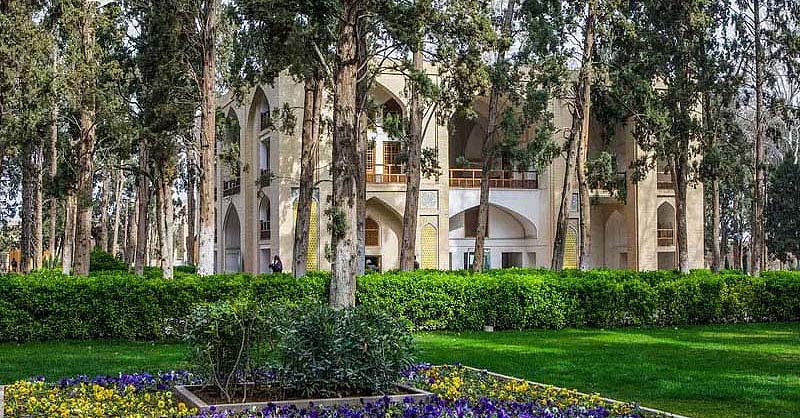

Persian Gardens: A UNESCO World Heritage Legacy and the Art of Living with Nature in Iran
Discovering How Water, Architecture, Geometry, and the Concept of Paradise Shaped the Persian Garden Tradition
Throughout human history, gardens have reflected the way different cultures understand nature, beauty, and the relationship between humans and their environment. Although historic gardens around the world may share some common elements, each tradition has developed its own philosophy based on climate, cultural values, lifestyle, and artistic ideas. The Persian Garden is one of the most important examples of this cultural approach, but it is part of a wider global tradition of garden design. Japanese gardens, French formal gardens, and English landscape gardens each represent different ways of organizing and experiencing nature.
Japanese Gardens; Harmony with Nature and the Beauty of Simplicity
Unlike the Persian Garden, Japanese gardens are generally not based on strict geometric organization and clearly defined symmetrical axes. Their main purpose is to recreate the feeling of natural landscapes on a smaller scale and create an atmosphere of peace, meditation, and harmony. Water, stones, plants, pathways, and carefully designed empty spaces are among the essential elements of Japanese gardens. Instead of controlling nature, Japanese garden designers aim to reveal its beauty and create a deeper connection between humans and the natural world. In Japanese gardens, a single tree, a stone, or a small pathway can carry symbolic meanings. Every element is carefully selected to encourage reflection and create a sense of balance between people and nature.
French Gardens; Geometry, Order, and the Expression of Power
French formal gardens represent a different approach to nature. Developed especially during the period of the French monarchy, these gardens emphasized symmetry, precise geometry, and the organized control of natural elements. Straight pathways, large water features, carefully shaped trees, sculptures, and monumental perspectives were used to demonstrate human ability to design and transform the landscape.The gardens of the Palace of Versailles are among the most famous examples of this tradition. In these gardens, nature became a symbol of royal authority, political power, and the ability of humans to impose order on the surrounding environment.
The Persian Garden; A Balance Between Nature, Architecture, and Human Experience
The Persian Garden holds a unique position among the world’s garden traditions. Unlike the Japanese garden, which focuses on recreating the spirit of natural landscapes, and the French garden, which emphasizes human control over nature, the Persian Garden seeks harmony between architecture, nature, and human life. Geometry plays an essential role in Persian garden design, but this order is not created to dominate nature. Instead, it provides a framework where water, vegetation, architecture, and human movement exist together in balance. Water channels create movement and freshness, trees provide shade and comfort, buildings are positioned according to carefully planned views, and every element contributes to creating a meaningful and peaceful environment.
The Koushk; The Architectural Heart of the Persian Garden
One of the most important elements of the Persian Garden is the Koushk (also written as Koshk). The Koushk is a small but elegant pavilion placed in a significant location within the garden, creating a connection between architecture and the surrounding landscape. The Koushk was usually designed so that visitors could enjoy views of the garden, water channels, trees, and main axes from inside the building. It was not only a place for rest and entertainment but also a space for experiencing the beauty and harmony of the garden. In many Persian gardens, the Koushk is positioned at the center of the garden or at the intersection of the main axes, allowing the strongest visual relationship between the building and the surrounding natural elements. Interestingly, the English word Kiosk has a historical linguistic connection with the Persian word Koushk. Through cultural exchanges between Iran and other regions, the term entered European languages and was later used to describe small independent structures located in open spaces.The Persian Koushk represents an important principle of Iranian architecture: buildings should not be separated from nature; they should become part of the experience of being within nature.
The Persian Garden and the Concept of Paradise in Iranian Culture
One of the most fascinating aspects of the Persian Garden is its connection with the idea of paradise. The Persian word Pardis, meaning a garden enclosed by walls, became associated with the concept of paradise in several languages around the world. The traditional structure of the Persian Garden, with flowing water, greenery, shade, and organized spaces, reflects an ideal vision of a peaceful and harmonious world. This connection between landscape and meaning transformed the Persian Garden from a simple recreational space into a cultural and philosophical concept deeply connected with Iranian art, literature, and architecture.
Persian Gardens During the Safavid Era; The Golden Age of Garden Design
The Safavid period was one of the most important eras in the development of Persian gardens. When Isfahan became the capital of Iran during the reign of Shah Abbas I, gardens became an essential part of the city’s urban design and royal architecture. The Safavid rulers created a vision of Isfahan where palaces, gardens, bridges, and public spaces formed a unified expression of political power and cultural identity. The Chehel Sotoun Palace is one of the finest examples of the relationship between Persian gardens and Safavid architecture. Walking through this garden, visitors can experience how architecture, water, paintings, and landscape design were combined to create a royal environment. During a visit to Chehel Sotoun, travelers also have the opportunity to discover the illustrated history of the Safavid era through the palace’s famous wall paintings, including scenes depicting royal ceremonies, diplomatic events, and important historical moments. A future article about Chehel Sotoun and the visual history of the Safavid period will explore these paintings and their stories in more detail. The Persian Garden tradition also continues through UNESCO-listed sites. To understand the global importance of this heritage, you can explore our article 🔗 [The Persian Garden: UNESCO World Heritage in Iran].
Famous Persian Gardens Across Iran
Iran is home to many historic gardens, each reflecting the local climate, architecture, and cultural traditions of its region. Fin Garden in Kashan is one of the most famous examples of Persian garden design, where water, trees, and architecture create a remarkable atmosphere of harmony. Eram Garden in Shiraz represents the elegance of Persian landscape design in southern Iran, with its diverse vegetation, beautiful pavilion, and poetic atmosphere. Shazdeh Garden in Mahan, Kerman, demonstrates the remarkable ability of Persian garden designers to create a lush and green environment in the middle of a desert landscape. In Isfahan, gardens such as Chehel Sotoun and Hasht Behesht represent the height of Safavid garden design and the close relationship between royal architecture and natural landscapes. The Persian Garden was officially registered as a UNESCO World Heritage property in 2011 as a collection of nine historic gardens representing different examples of this ancient tradition.
Experiencing Persian Gardens with JeyTravel
In JeyTravel cultural journeys, Persian gardens are introduced not only as beautiful historical places but as living examples of Iranian philosophy, architecture, and lifestyle. With experienced local guides and cultural experts, travelers learn how elements such as water channels, tree selection, pavilion placement, and architectural views were carefully designed to create harmony between humans and nature. When walking through Chehel Sotoun, for example, JeyTravel guides explain the relationship between the garden, the palace, the Safavid paintings, and the historical events represented on the walls, allowing visitors to understand the site beyond its visual beauty. A Persian garden experience can also be combined with other cultural discoveries. While exploring Isfahan, travelers can connect the garden tradition with the city’s greatest Safavid achievements, including Naqsh-e Jahan Square. To discover the story of this UNESCO-listed masterpiece, you can read our article 🔗 [Naqsh-e Jahan Square: The Heart of the Safavid Empire]. Through expert storytelling, architectural interpretation, and cultural experiences, JeyTravel helps travelers discover that Persian gardens are not simply places to visit; they are a way to understand the relationship between Iranian people, nature, art, and history.
Related Articles
🔗 [Safavid Empire: Iran, Shah Abbas, and the Glory of Isfahan]
🔗 [Chehel Sotoun Palace: The Illustrated History of the Safavid Era]
🔗 [Naqsh-e Jahan Square: The Heart of the Safavid Empire]